November 28, 2026
How to Choose a Dune Buggy for Dubai Desert Drives
By @thedunebuggydubaispot
Start with the kind of drive you want
Choosing the right off-road vehicle begins with the experience you have in mind. A short ride over nearby sand is different from a longer desert safari that includes dune bashing, photo stops and a sunset tour. Think about how much time you want to spend seated in the vehicle, how rough the terrain may be and whether the ride is meant for thrill seeking or for seeing the desert at a relaxed pace.
Drivers often focus first on engine size, but the driving style matters more. A powerful machine can feel lively on open sand yet tiring in tight areas. A smaller quad bike may be easy to handle at low speed but less suited to long stretches. The best choice is the one that matches the route, the group and the level of comfort expected by everyone riding.
Decide who will be driving and riding
Before comparing models, set clear limits for the people involved. Age, height, confidence and previous off-road experience all affect the decision. A buggy with two seats suits a pair who want to share the drive. A four-seat vehicle works better for families, though passengers need enough space to sit securely without leaning into the driver.
Ask how the seating is arranged and whether each seat has its own restraint. A safety helmet should fit properly, not sit high on the head or slide forward. Desert goggles also help when fine sand lifts in the air. These details may sound minor, yet they shape the whole ride, especially when the route moves from firm tracks into softer sand dune terrain.
Match the vehicle to the terrain
Sand changes through the day. Morning surfaces can be firm, while afternoon dunes may be looser and warmer. A suitable dune buggy dubai choice should have enough ground clearance, responsive steering and tyres designed to spread weight across sand. Wide tyres help reduce sinking, while worn or narrow tyres can make the vehicle feel nervous on slopes.
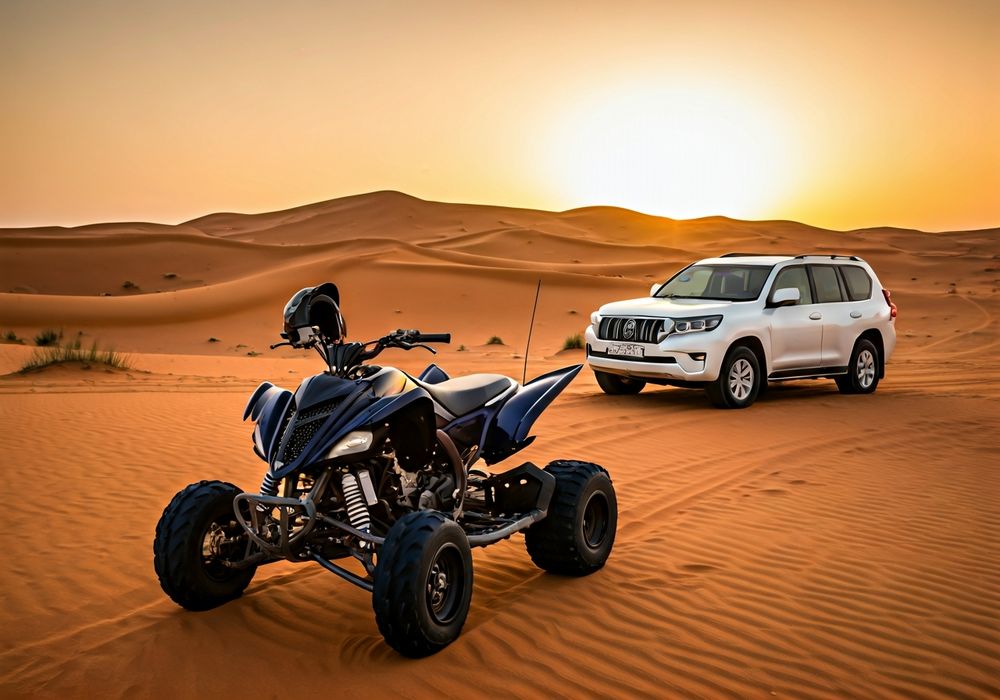
Weight distribution is another point to watch. A loaded vehicle behaves differently from an empty one. Extra passengers, bags and equipment can change balance, particularly when climbing or turning across a slope. The route should suit the vehicle and the load, not the other way around. If a plan depends on steep descents or sharp turns, it is worth asking whether those conditions are appropriate for the vehicle being offered.
Check the safety setup before committing
A responsible choice is built around visible safety habits. Look for a vehicle that appears well maintained, with clean controls, secure seats and no obvious damage to the frame. Tyres should look even and free from deep cuts. Steering should feel predictable during a slow test on suitable ground. Brakes should be checked by a qualified professional if there is any doubt about their performance, and mechanical repairs should never be attempted by an untrained rider.
Protective gear deserves the same attention as the machine. A safety helmet should be approved for motorised riding and fastened correctly. Desert goggles protect the eyes from blown sand and bright light. Closed shoes are more sensible than sandals. Loose scarves, long dangling accessories and loose clothing can catch on controls, so practical clothing is the safer option.
Supervision also matters. New drivers benefit from clear instructions on throttle control, braking, hand signals and what to do if the vehicle becomes stuck. The rider should know how to stop, how to follow a lead vehicle and when to slow down. Confidence should build gradually. A fast start can lead to poor decisions once the sand becomes uneven.
Compare ride time, route and inclusions
Two rides with similar vehicles can feel very different. One may spend most of the session on open dunes, while another includes a longer transfer, photo stops or a break before the return. Read the outline carefully and ask what the ride time actually means. Time spent mounting, briefing or travelling between areas is not the same as time behind the wheel.
Route design also changes the experience. Some routes favour rolling dunes and open views. Others include tighter turns and steeper climbs. A route with varied terrain can be exciting, but it demands more from the driver and the vehicle. A relaxed route may suit a family better, especially when younger passengers are involved. If the day also includes a desert safari, check whether the buggy segment fits naturally with the rest of the schedule rather than feeling rushed.

When comparing a dune buggy dubai option, pay attention to what is included beyond the vehicle. Helmet use, goggles, guidance and any short briefing should be clear before the booking is made. Hidden uncertainties are easier to avoid when the basic details are stated plainly from the start.
Understand the rules and local limits
Off-road driving is not the same as driving on a public road. Local rules may set limits on where vehicles can go, who may drive and what safety equipment is required. These rules exist because sand terrain can be fragile and because recovery can be difficult when a vehicle is stranded far from a main route.
Respect for boundaries helps protect the landscape and keeps the ride orderly. Stay with the designated route, keep a safe distance from other vehicles and avoid sudden turns near people. If signage or instructions indicate a restricted area, treat it as closed. A good experience depends on shared space being used carefully.
Recovery is another practical concern. Getting stuck can happen when speed drops on soft sand or when a vehicle stops on a slope. Passengers should remain seated until the driver and guide confirm the next step. Attempting to push a heavy vehicle in loose sand can be risky, especially near moving traffic. Professional recovery is the right approach when a vehicle cannot move safely under its own control.
Ask the right questions before booking
A few direct questions can prevent most mistakes. The answers should be specific enough to help you judge fit, not just reassuring words. Focus on details that affect comfort, safety and the shape of the ride.
- What vehicle type is recommended for the route and group size?
- Are helmets and desert goggles provided, and how is fit checked?
- How much of the session is actual driving time?
- What happens if the sand conditions or weather change?
- Are there age, height or experience limits for drivers and passengers?
Listen for clear answers. If a response is vague, ask again in a different way. A well organised ride can explain its setup without pressure. It should also be honest about limits, such as routes that are not suitable for beginners or conditions that may cause a change of plan.
Make the final choice with comfort in mind
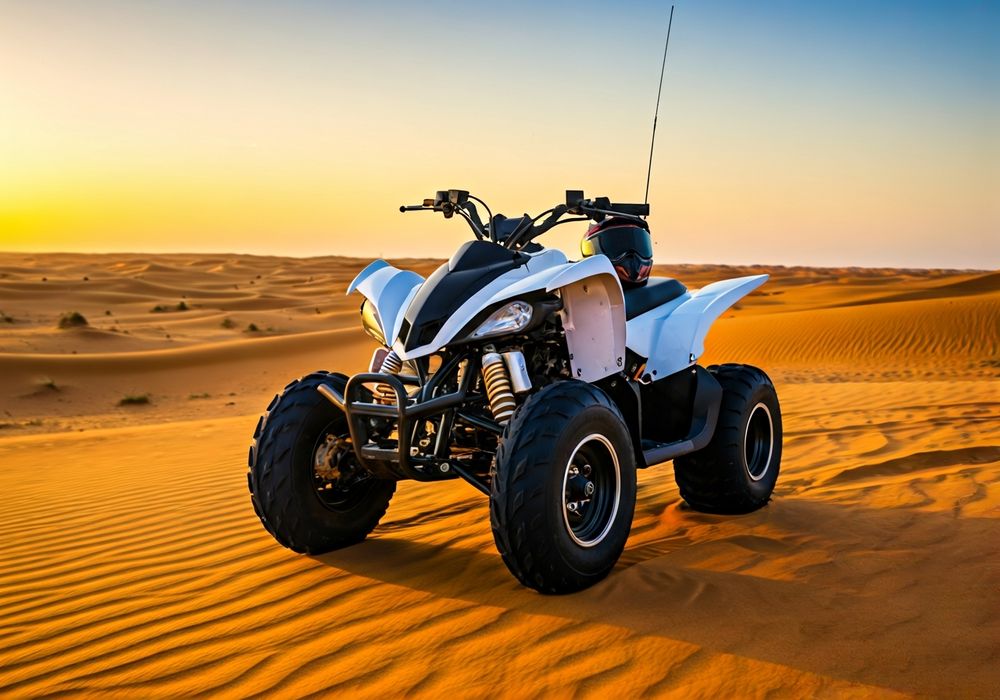
The last step is to weigh excitement against control. A buggy with strong acceleration may appeal, yet a steady vehicle with good visibility and predictable handling often gives a better first experience. Passenger comfort matters too. Seats, restraints, dust protection and the pace of the route all influence whether the ride feels enjoyable from start to finish.
Weather can shape the decision as well. Heat, bright sun and windy sand all affect comfort. Lightweight clothing, eye protection and water before the ride are sensible preparations. A sunset tour has a different feel from a daytime ride, though visibility changes as light fades and the route should suit those conditions.
A careful choice does not need to be complicated. Define the experience, match the vehicle to the terrain, check safety gear, understand the route and ask direct questions. Once those pieces line up, the ride is far more likely to feel smooth, controlled and memorable for the right reasons.
❧